Remote Monitoring · Autonomous Operation · Automatic Charging · Rapid Response
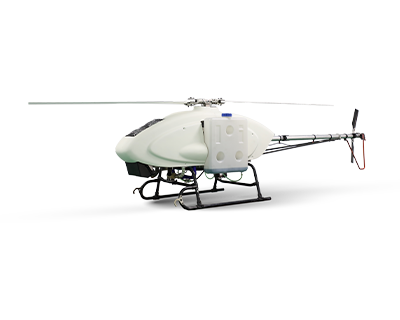
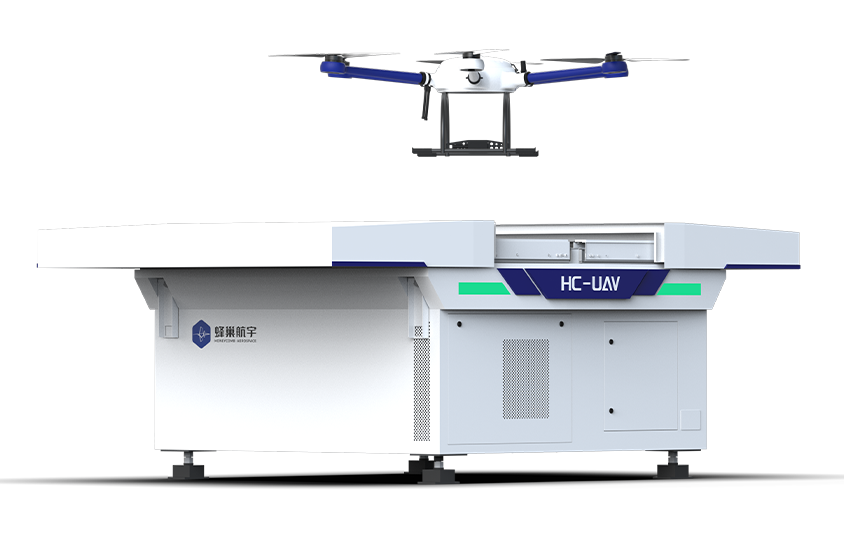
SU-31 Intelligent Unmanned Airport consists of an intelligent cabin, multi-rotor UAV, mission payloads and platform software. It supports remote UAV control, autonomous takeoff and landing, autonomous inspection, automatic recovery, automatic charging and data transmission. This system is applicable to multiple scenarios including highway monitoring, petroleum pipeline patrol, forest and grassland disaster prevention, urban security, river inspection, energy facility monitoring, power grid and transportation surveillance.

24/7 Standby

Rugged Protection

Fully Autonomous Operation

Multi-UAV Collaboration
AI Closed-Loop Analysis

Expandable & Custom Payloads
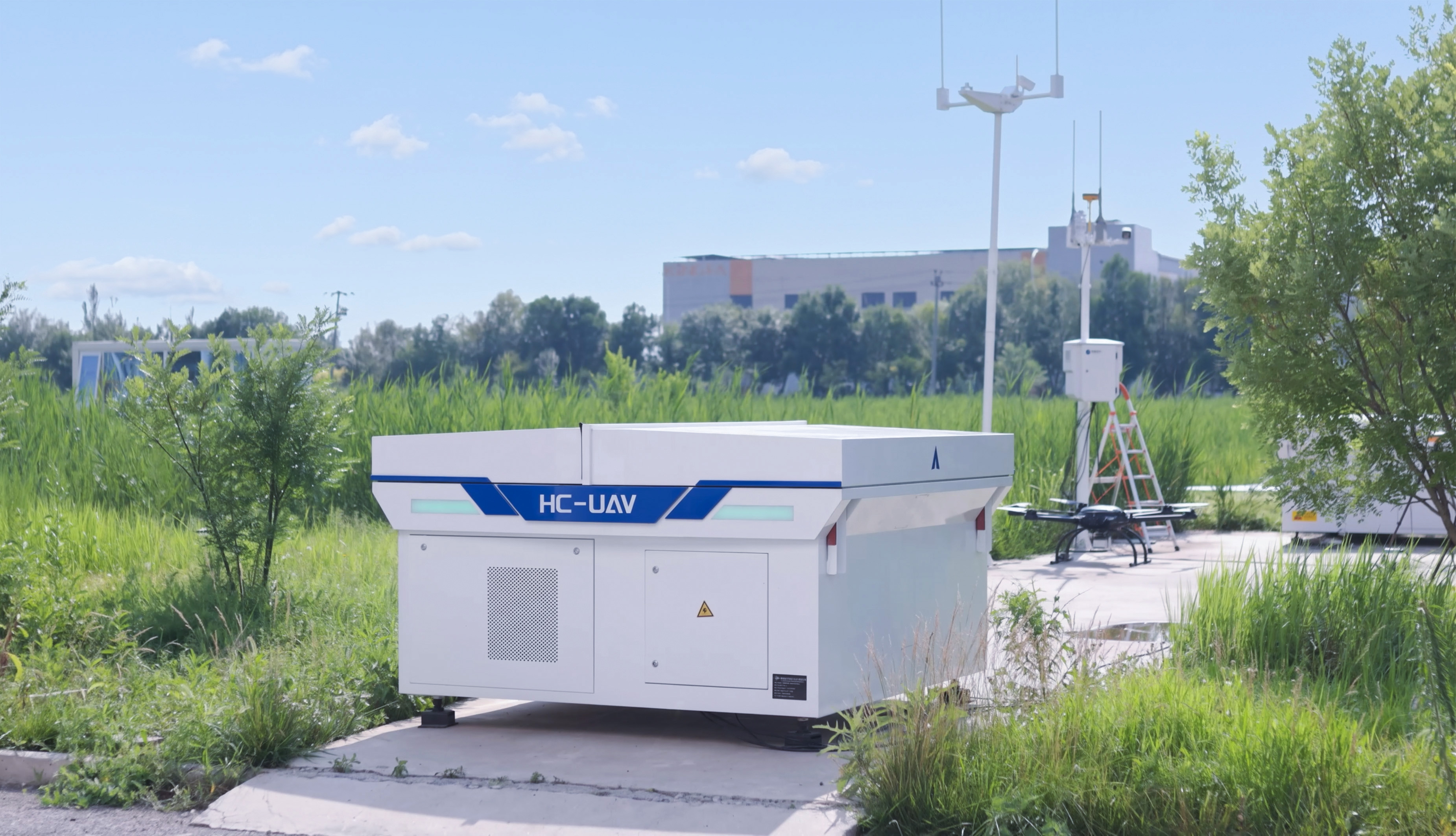
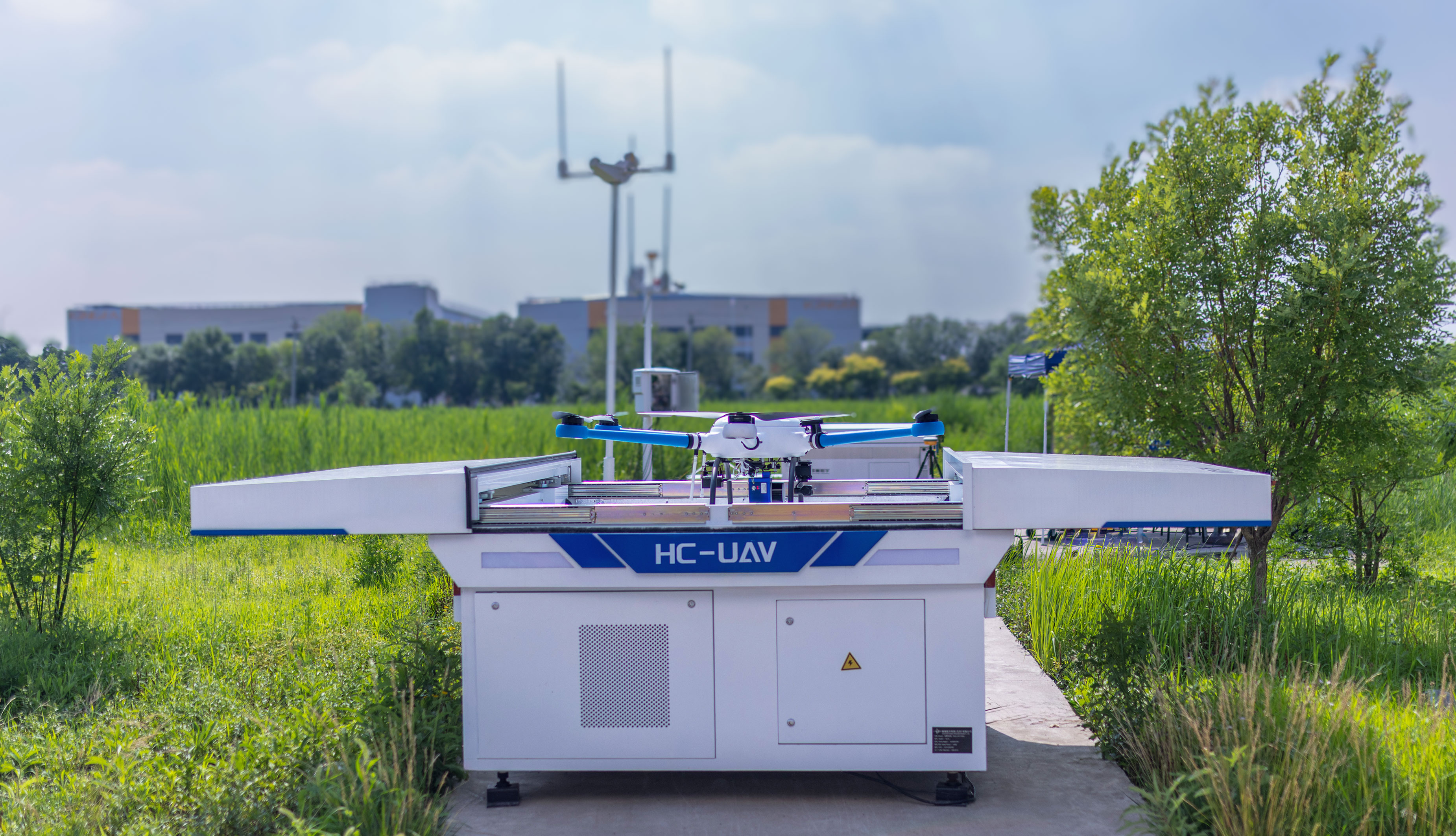
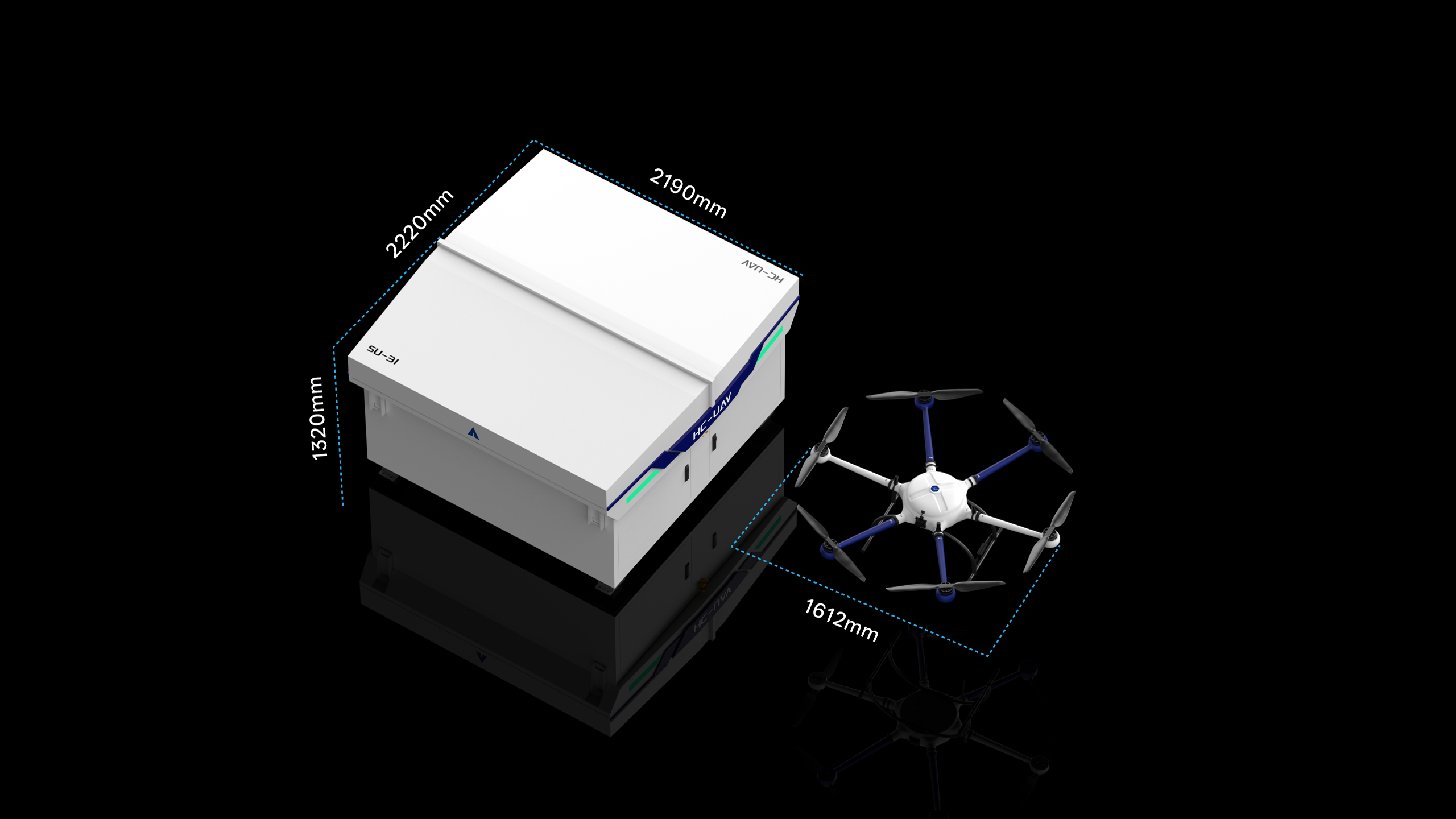
The complete unit features a compact cabin structure that delivers both heavy-load capacity and excellent site adaptability. It comes in two dimensional configurations: folded and unfolded, compatible with diverse deployment scenarios including rooftops, factory open yards, road corridors and open wilderness sites.
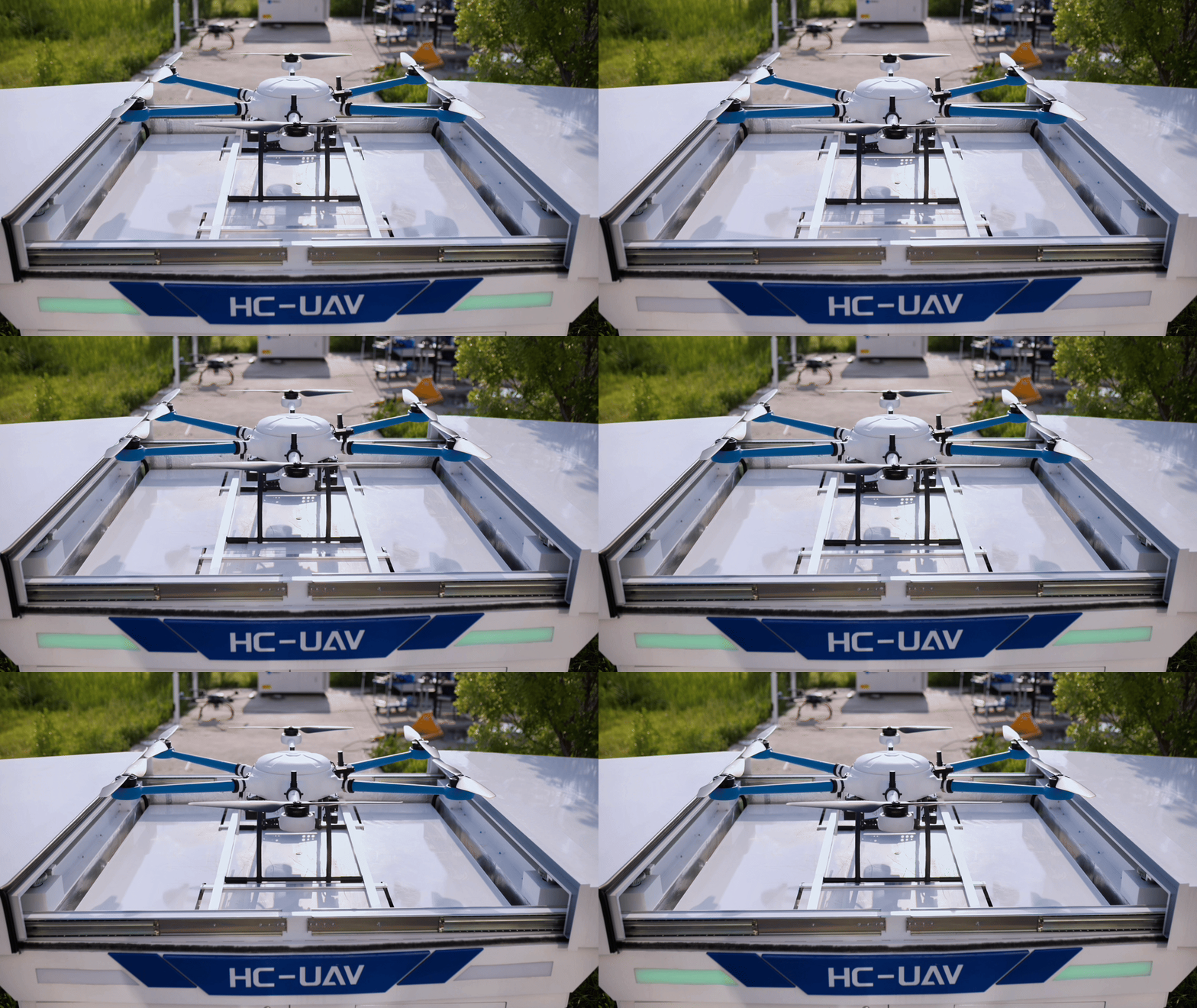
Equipped with integrated mechanisms for automatic centering, intelligent charging and water diversion & drainage, the cabin realizes fully automatic cabin door opening/closing and lifting platform movement. Manual emergency controls are available during power outages or mechanical malfunctions, enabling emergency recovery and secure storage of the UAV within the cabin. It supports standard 20A fast charging, and completes a full unfold/stow cycle within 160 seconds to minimize mission intervals.
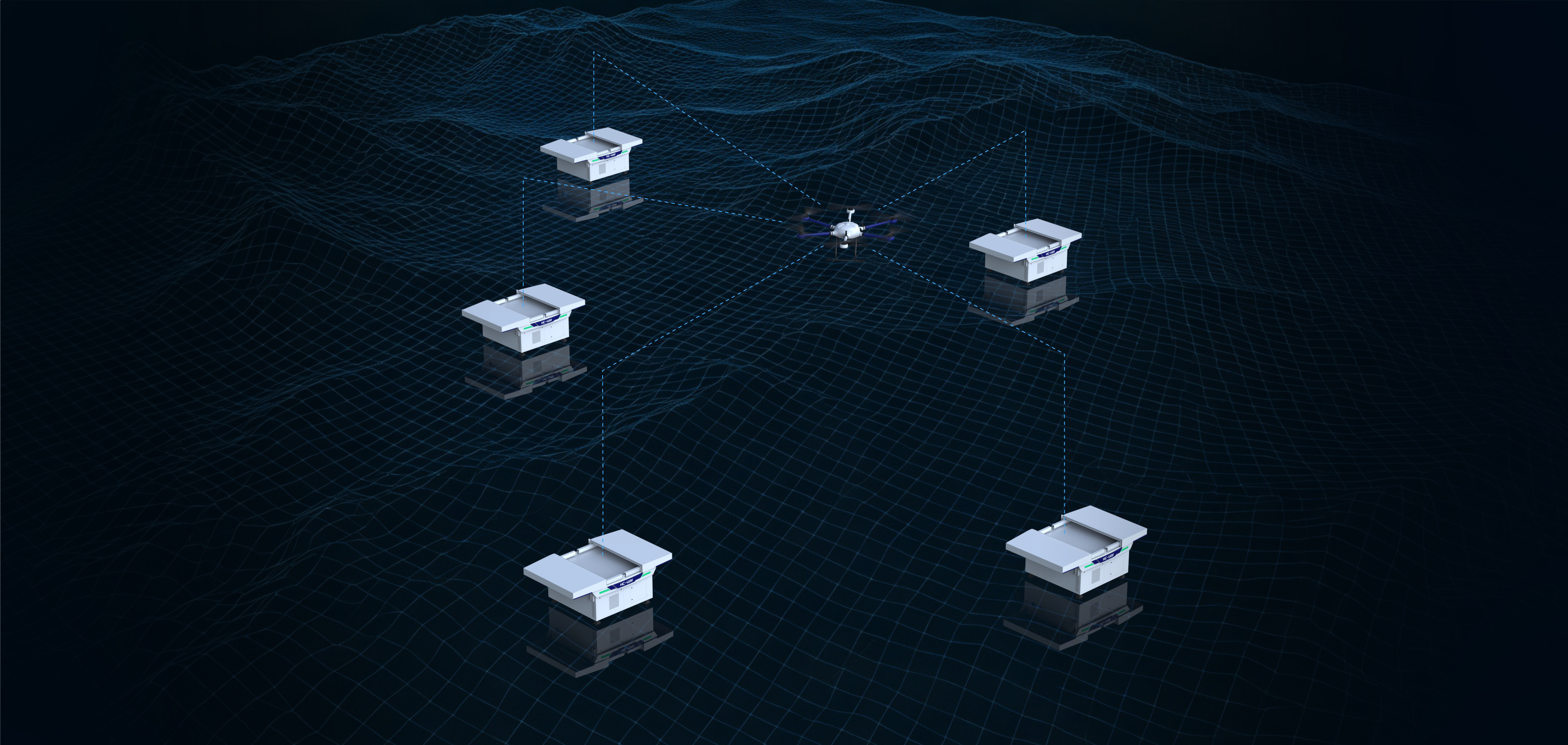
It supports contactless near-field UAV identification and enables networking scheduling of multiple UAVs across multiple cabins to achieve grid coverage over large areas. Built-in status indicator lights display real-time operational conditions of the aircraft, while the local control console facilitates on-site commissioning and maintenance.
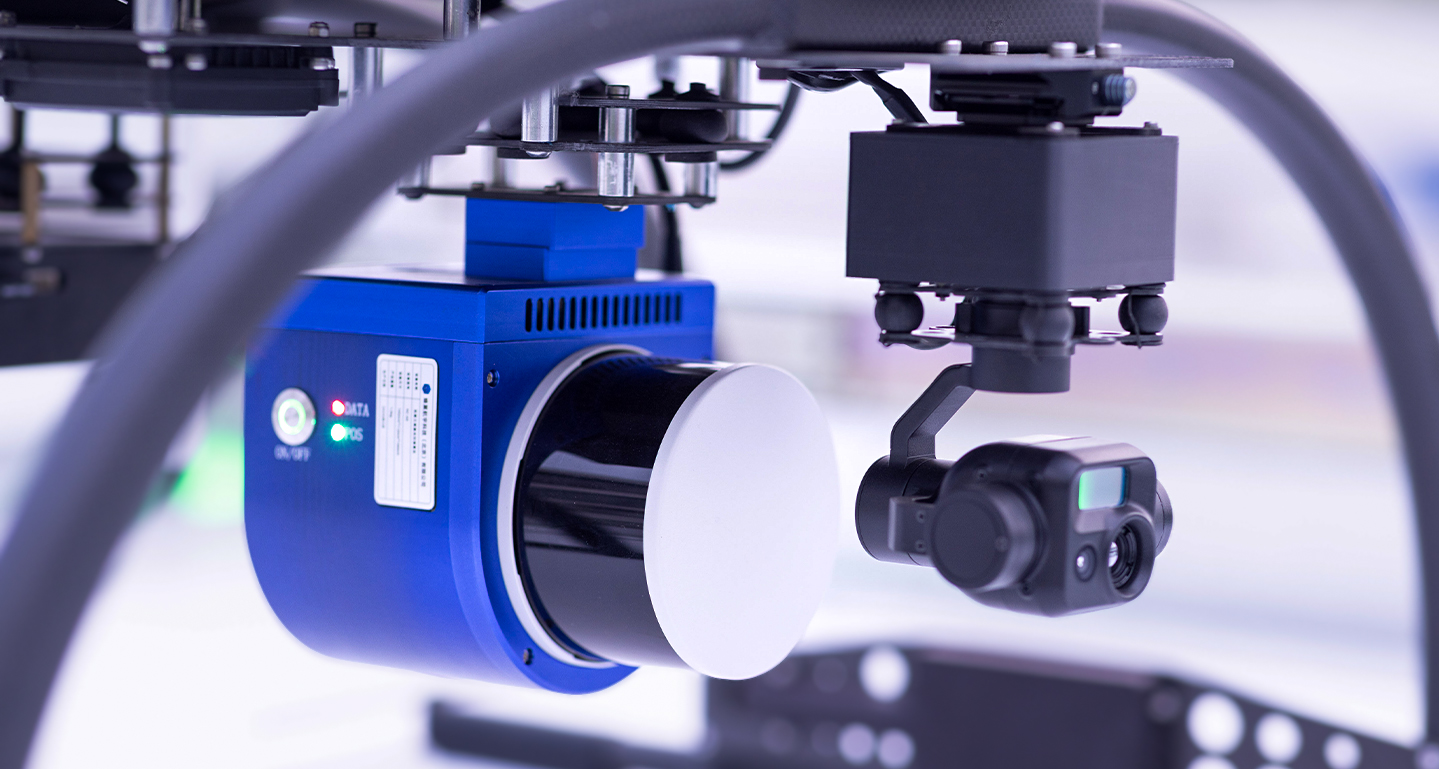
The airframe is pre-reserved with 4 mounting ports, supporting multi-protocol transmission via Gigabit Ethernet and serial ports. It can be equipped with loudspeakers, searchlights, LiDAR, multispectral cameras, hyperspectral cameras and oblique photogrammetric cameras as required, meeting the operational demands of mapping, security, environmental protection and power inspection scenarios.
The cabin features modular integration, equipped with
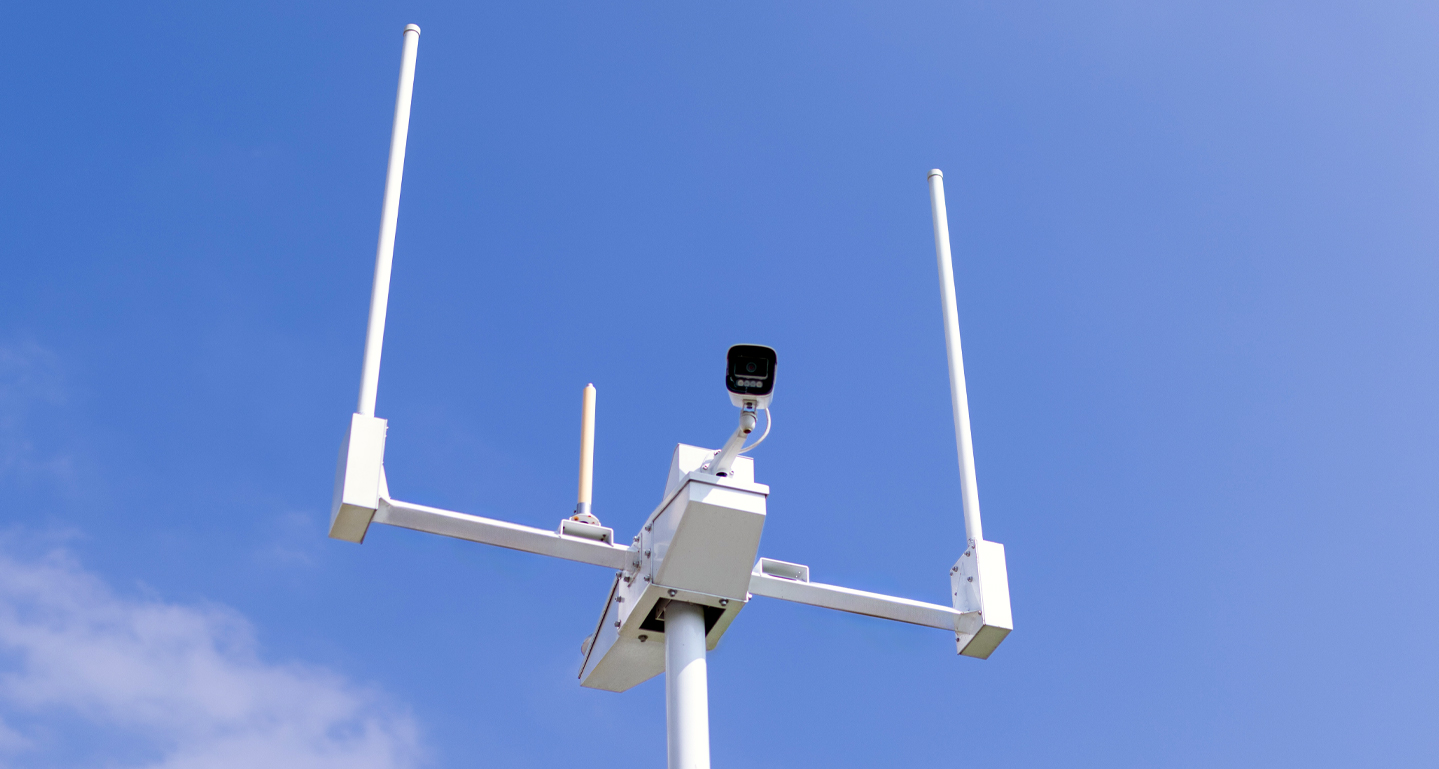
a meteorological monitoring station measuring temperature,
humidity, wind speed, rainfall and waterlogging,
a differential base station and a microwave receiving terminal.
It transmits real-time differential correction data to enable
centimeter-level RTK flight for UAVs and boost the accuracy
of orthomosaic mapping.

When the cabin door is fully closed, the entire unit
complies with IP55 dust and water ingress protection.
It effectively blocks outdoor dust, rain and mist from penetrating
core internal assemblies, including charging modules,
electronic control units and environmental control systems.
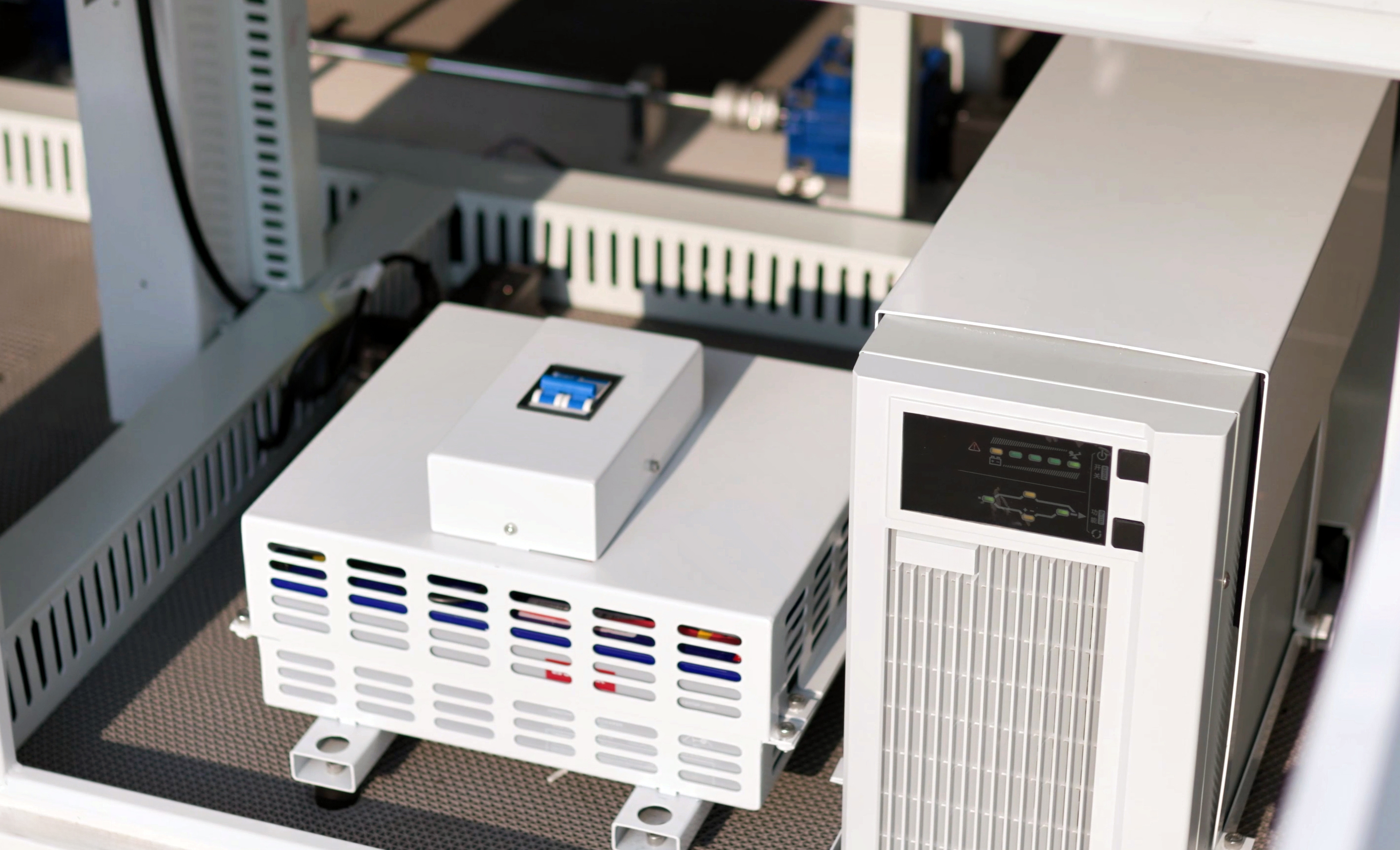
Automatic fire suppression units are deployed in key internal areas,
along with integrated protection against lightning strikes,
short circuits and overloads. The built-in UPS delivers
2-hour backup power to ensure the UAV executes a safe return-to-home
if power cuts occur mid-mission.
It serves as the core hub for empowering the digital and intelligent transformation of the low-altitude economy and building a comprehensive safe operation ecosystem for unmanned aerial vehicles. Centered on the core philosophy of visualization, controllability, manageability and traceability, the platform integrates cutting-edge technologies including dynamic GIS mapping, 3D modeling, AI intelligent analysis and real-time data dashboards. It establishes an full-stack intelligent control system with a four-in-one architecture: comprehensive display, operation management, integrated management, and algorithm management. It provides government regulators, industrial operators and enterprises with full life-cycle solutions ranging from airspace planning to intelligent decision-making.

Digital supervision of construction projects, road patrols, maintenance defect detection, road network monitoring, waterway patrols, and emergency response to accidents.

Real-time inspection with accurate monitoring of fire risks, pests and diseases, improving forest and grassland protection efficiency while reducing manual patrol costs.

Autonomous inspection with real-time environment monitoring, improving management efficiency, strengthening security, and reducing labor costs.

All-weather inspection with precise traffic condition monitoring and emergency early warning, enhancing traffic management efficiency.

Scan the QR to Follow us on Wechat